
Vitamin C - strong against colds?
Vitamin C is said to reduce coughs, colds and sore throats and prevent colds - but is that even true? Find out the answer to this question and what else vitamin C can do here.
What vitamin C can do
Vitamin C, also known as ascorbic acid, is a water-soluble vitamin that is needed to build connective tissue, bones and teeth. It also has an antioxidant effect and protects our cells against damage. Another plus: when combined with vitamin C, iron from plant-based foods can be better utilized. A glass of orange juice with iron-rich porridge is therefore the ideal start to the day, especially for veggies!
Sources of vitamin C: more than just citrus fruits
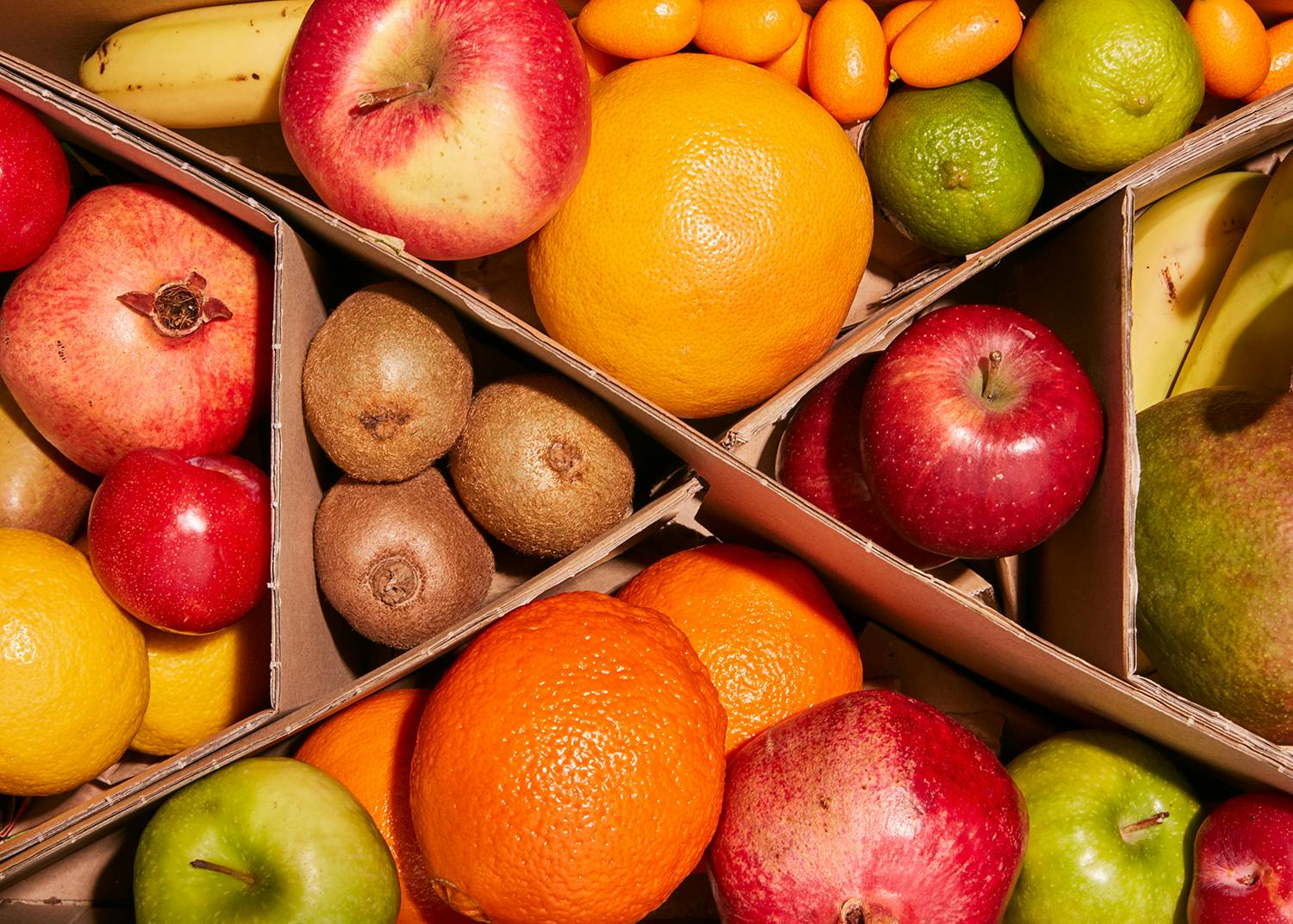
When we think of vitamin C, we immediately think of oranges and lemons. But did you know that a red bell pepper contains almost three times as much vitamin C as an orange? That's quite a lot! You can also find the vitamin in many other types of fruit and vegetables such as parsley, potatoes, spinach and tomatoes. The vitamin C content depends on the time of harvest, storage and preparation in your kitchen. It is best to wash peppers, tomatoes etc. thoroughly, but only briefly, so that the water-soluble vitamin C is not lost. Then steam them or cook a delicious curry so that the peppers can cook in the coconut milk over a low heat.
In addition to the natural sources of vitamin C, vitamin C is added to many processed foods, such as meat or sausage products, to preserve them. You can also find pure vitamin C at your local drugstore.
How much vitamin C do you need?
The German Nutrition Society recommends 95 mg per day for women and at least 110 mg per day for men. With certain illnesses, chronic stress and increased alcohol or nicotine consumption, you need even more vitamin C. But even then, you can cover your requirements with half a red bell pepper and a small glass of orange juice - easy!
What happens if you have a deficiency?
A vitamin C deficiency leads to poor wound healing, infections become more frequent, the skin cracks and bleeds and even teeth can fall out. If no vitamin C is consumed at all for two to four months, a severe deficiency called scurvy occurs. This disease was one of the biggest causes of death among sailors, especially in the 15th to 18th centuries. Logically, if you only eat salted meat and ship's biscuits for months on end, some nutrients fall by the wayside.
However, James Cook and his crew could not simply take vitamin tablets from the drugstore with them on their voyage of discovery, as vitamin C has only been able to be produced synthetically since 1934. Fortunately, citrus fruits had already been found to prevent scurvy around two centuries earlier! And so citrus fruits were taken to the high seas in large barrels. Lo and behold, more and more men survived the long weeks on the ship. Nowadays, scurvy is no longer a serious problem. If we were to go on a similar tour, we could actually just take vitamin tablets. But let's be honest: most people prefer to chill out in their cozy home base anyway and can buy fresh fruit and vegetables at any time. That's why - at least in industrialized countries - vitamin C deficiency is no longer a problem!
Vitamin C tablets as a miracle cure for colds?
The miracle effect of vitamin C is still being pushed by the story of James Cook and all the other sailors. When we think of vitamin C, we no longer think of scurvy, but of the relief of cold symptoms such as coughs, colds and sore throats. But do vitamin tablets from the drugstore really make sense? Studies show that they don't - sorry for the disappointment! And even preventive supplementation with vitamin C does not reduce the risk of catching a cold. The exception: people who work hard physically or in very cold weather.
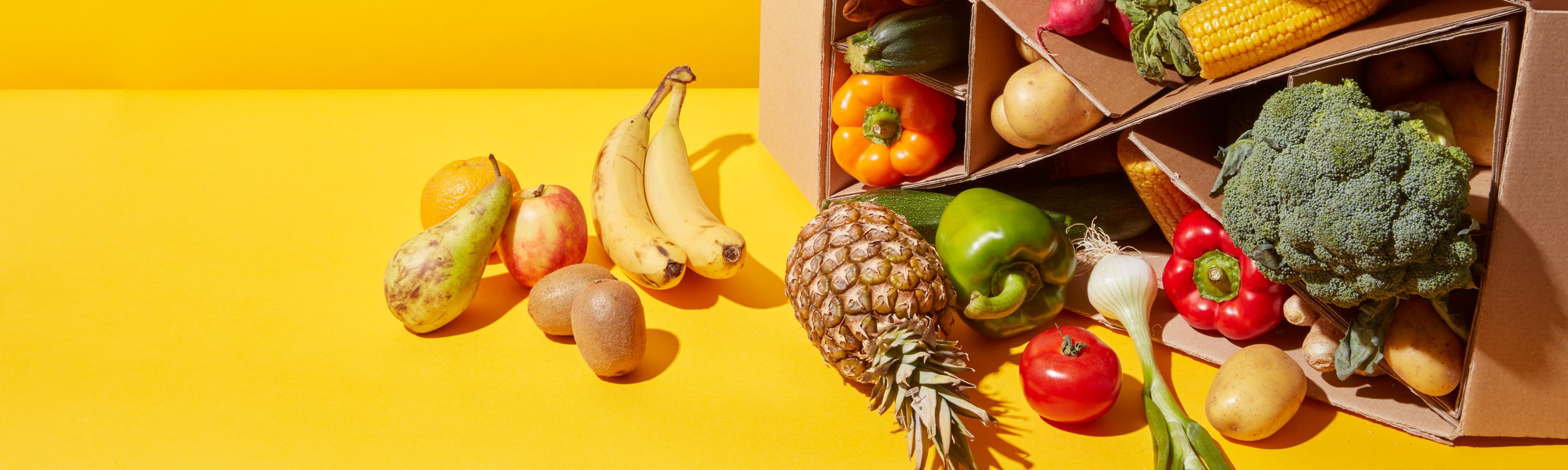
So it's better to eat lots of fresh fruit and vegetables to ensure you have a sufficient supply of vitamin C. They also provide you with other vitamins, fiber and phytochemicals that can have a positive effect on your overall health. Pro tip: Have your five portions of fruit and vegetables a day delivered directly to your home with KoRo Fresh!





.svg?cs=srgb&auto=format,compress&fit=fill&w=160)
.svg?cs=srgb&auto=format,compress&fit=fill&w=160)
.svg?cs=srgb&auto=format,compress&fit=fill&w=160)