The fear of glutamate or the "Chinese restaurant syndrome"
"Chinese restaurant syndrome" - is that supposed to be a medical term? First of all: No, it's not! But how did an accumulation of different symptoms come to be given this name? Here is a little story about glutamate.
The "Chinese restaurant syndrome" was first mentioned in a letter to the editor by Dr. Robert Ho Man Kwok to the New England Journal of Medicine in 1986. Dr. Kwok reported headaches, palpitations and a feeling of numbness in his neck after eating in Chinese restaurants. He speculated about possible causes of these symptoms and came across the flavor enhancer glutamate, among other things. His letter to the editor was printed under the title "Chinese restaurant syndrome". Other doctors then wrote to the journal describing similar symptoms after eating Chinese food. A short time later, the New York Times reported on a newly discovered illness called "Chinese restaurant syndrome", which was said to be linked to glutamate - and the myth was born.
What is glutamate actually?
Glutamate, also known as MSG or monosodium glutamate, is a salt of glutamic acid, which occurs naturally in the human body. It is used as a flavor enhancer in cooking in the form of a white, odorless powder. Glutamate is responsible for the infamous umami taste. Umami translates as "savory" and is also known as the fifth taste. It gives food a hearty, spicy note and a good seasoning.
Glutamate in food
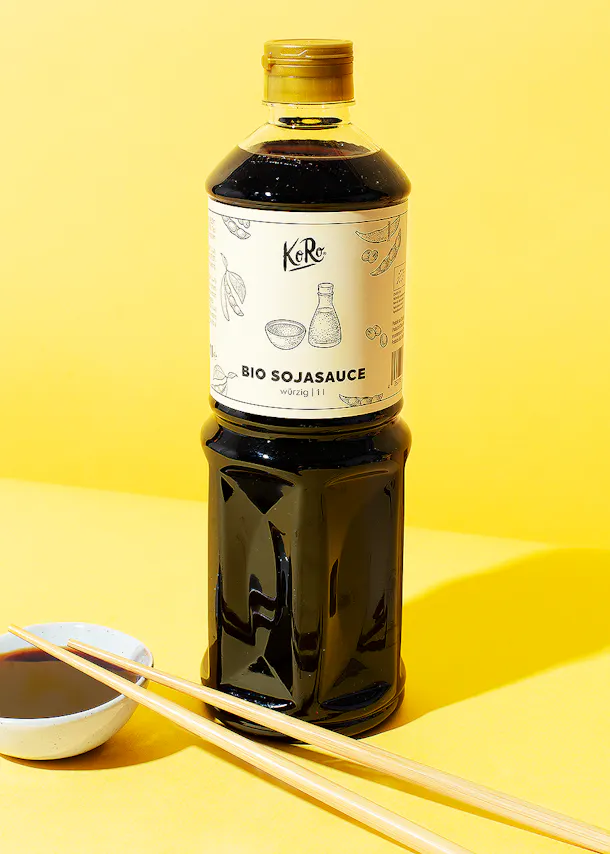
However, glutamate is not only available as a powder in the supermarket. It is also found in food: Tomatoes, mushrooms, peanuts and soy sauce are just some of the foods that naturally contain glutamate, which is why they have such a distinctive taste.
What effect does glutamate have?
After the so-called "Chinese restaurant syndrome" became established, a number of studies were conducted on the subject, which were unfortunately anything but scientific: either the study participants were asked directly whether they suffered from "Chinese restaurant syndrome" or they already knew that they would eat glutamate before ingesting it and developed corresponding symptoms as a result. Unfortunately, the fact that none of these studies really had anything to do with science did not help establish the "Chinese restaurant syndrome" at all. There have long been scientific studies proving that glutamate is harmless. There are also no properly conducted studies that can prove an effect of glutamate. The fact that the powder is supposed to have something to do with weight gain can also be attributed to the fact that glutamate is a flavor enhancer. These substances make food taste better, which means we run the risk of eating too much of it. Perhaps this also explains the symptoms described by Dr. Kwok, such as stomach ache and nausea. Nevertheless, the myth surrounding the "Chinese restaurant syndrome" persists.
Glutamate, which is sometimes used in Chinese cuisine, is the same flavor enhancer as in German potato chips or frozen pizzas. Even the seasoning Maggi contains glutamate.
Flavor enhancer E621
So we can conclude: Flavor enhancers have no cultural background and cannot be assigned to just one particular cuisine. The glutamate content in Chinese food is neither healthier nor unhealthier than the glutamate in German food. And if you want to avoid glutamate, you should check the ingredients of all foods and look out for the addition of E621.
If you prefer potato chips without glutamate, you should take a look at our store. The lentil chips and the tortilla chips with spinach are also convincing without the flavor enhancer.